Thailand Visa Guide 2026: Tourist, LTR, Elite & Retirement Explained
The single biggest obstacle to living in Thailand is the visa. The rules change frequently, the forums are filled with outdated information, and one mistake can lead to visa runs or fines. But in 2026, Thailand has introduced several serious options designed to attract long-term residents, remote workers, and retirees. If you're planning a move, here is a realistic, honest breakdown of the visas that actually work for expats today.
In this guide:
1. The Tourist Visa: Short-Stay & Extensions
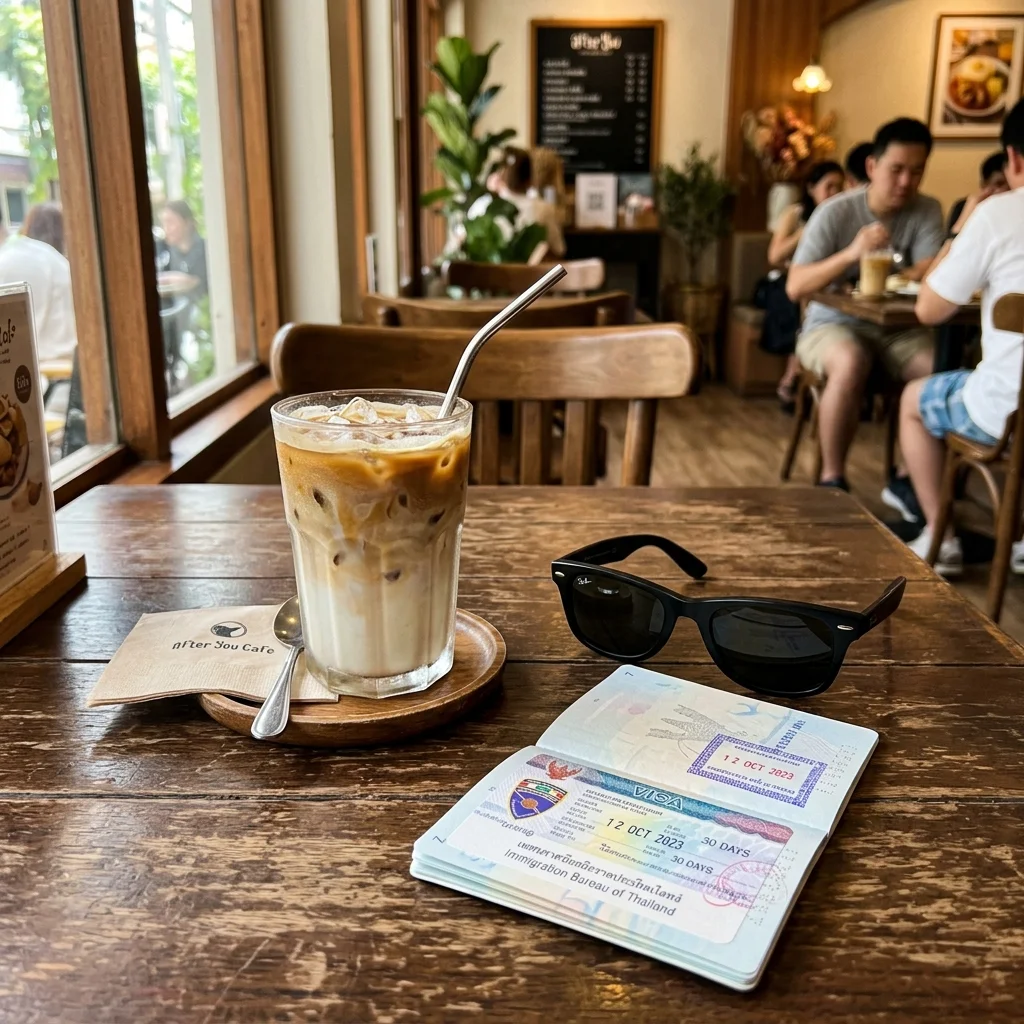
For short-term stays, many visitors enter under the tourist visa exemption (currently 30 to 60 days depending on your passport country). You can extend this once at local immigration offices (like Chaeng Watthana in Bangkok) for an additional 30 days for a fee of ฿1,900.
While some travelers attempt to live long-term by doing 'border runs' (exiting and re-entering the country), Thai immigration has cracked down on this practice. If you plan to live here for more than 6 months, you need a proper long-term visa.
2. The LTR Visa: For Remote Workers & Professionals
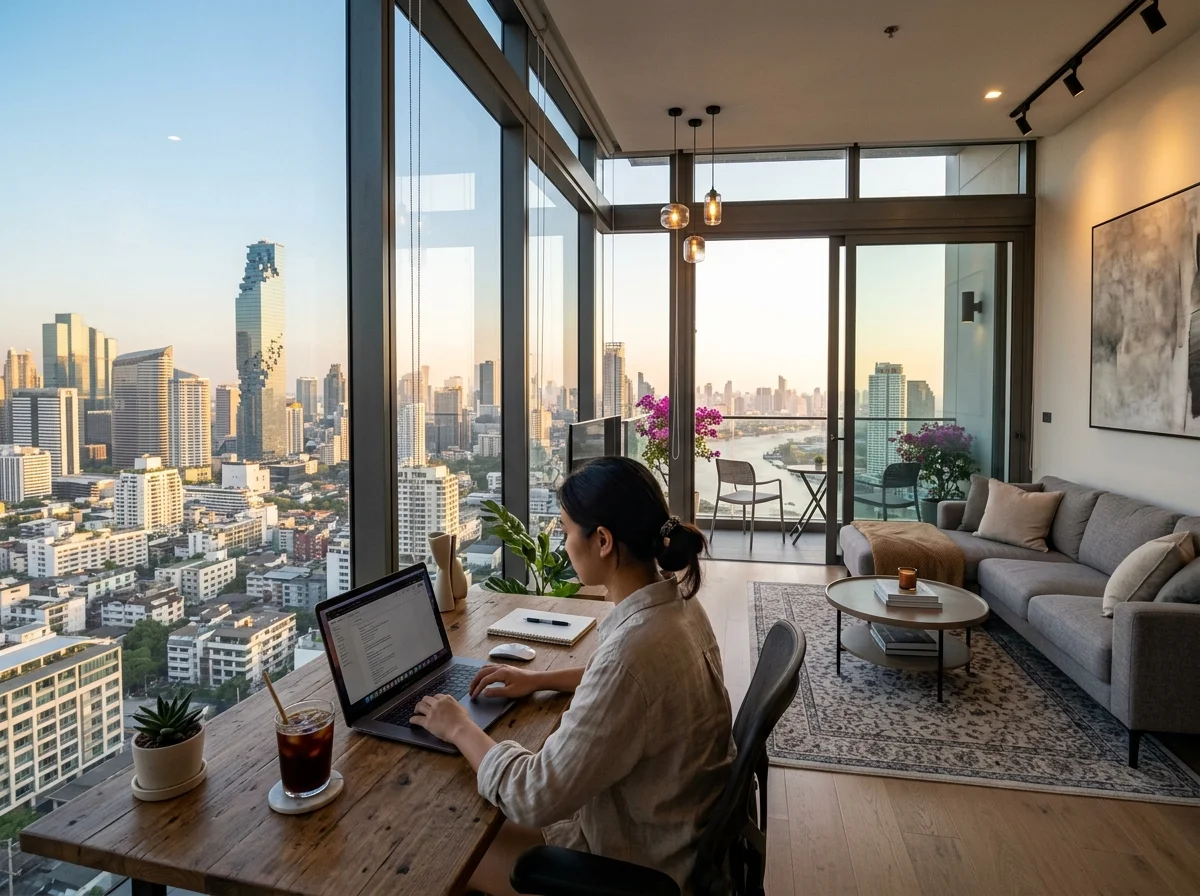
Introduced in 2022 and updated for 2026, the Long-Term Resident (LTR) visa is a game-changer. It offers a 10-year residency permit, fast-track airport services, and a flat 17% personal income tax rate. To qualify as a 'Work-from-Thailand Professional,' you need an annual income of at least USD 80,000 (or USD 40,000 with a Master's degree) and work for a public company or a private firm with at least USD 150 million in revenue.
Applications are processed online through the Board of Investment (BOI) and usually take 3 to 4 weeks. It is the gold standard for high-earning remote workers and corporate directors looking for stability.
3. The Destination Thailand Visa (DTV), New in 2026
Introduced to cater specifically to digital nomads, remote workers, freelancers, and visitors interested in cultural activities (like Muay Thai or culinary classes), the Destination Thailand Visa (DTV) is a highly attractive addition to the visa landscape. It allows a stay of up to 180 days per entry, with the option to extend for another 180 days inside the country, and is valid for 5 years.
To qualify, you must show proof of remote employment or freelance portfolio work, and hold a minimum balance of ฿500,000 in a bank account. It is significantly cheaper than the LTR or Privilege visas, making it the most popular budget nomad option in 2026.
4. Thailand Privilege (Elite Visa): Hassle-Free Residency
If you don't meet the income requirements of the LTR or DTV but have the capital, the Thailand Privilege Card (formerly Elite Visa) offers guaranteed long-term residency. Membership packages range from 5 years to 20 years, starting at ฿900,000.
It provides a multi-entry visa, airport lounge access, limousine service, and assistance with government paperwork. There are no minimum income, age, or employment requirements, making it popular for high-net-worth nomads and retirees.
5. Retirement Visa (Non-OA / Non-O)
If you are 50 years of age or older, the Retirement Visa is highly accessible. You need to demonstrate financial security by either keeping ฿800,000 in a Thai bank account for two months before the application, or showing a monthly pension income of at least ฿65,000.
It must be renewed annually, and you must purchase local health insurance meeting government coverage requirements. It is a highly popular option for retirees living in Chiang Mai, Hua Hin, and quiet residential areas of Bangkok.
6. Essential Document Prep & Translation Tips
No matter which visa you choose, preparation is key. All official documents (like marriage certificates, birth certificates, or criminal record checks) must be translated into English or Thai and legalized by your home country's embassy. Doing this before you travel saves months of delay and expensive courier fees once you are in Bangkok.
Planning your move to Bangkok?
Discover expat-friendly properties for rent near BTS stations and key facilities.
Explore Listings →Get Bangkok guides in your inbox
Subscribe to receive honest neighbourhood comparisons, expat tips, and hidden local gems, straight from our Bangkok team.