How to Open a Bank Account in Thailand as a Foreigner
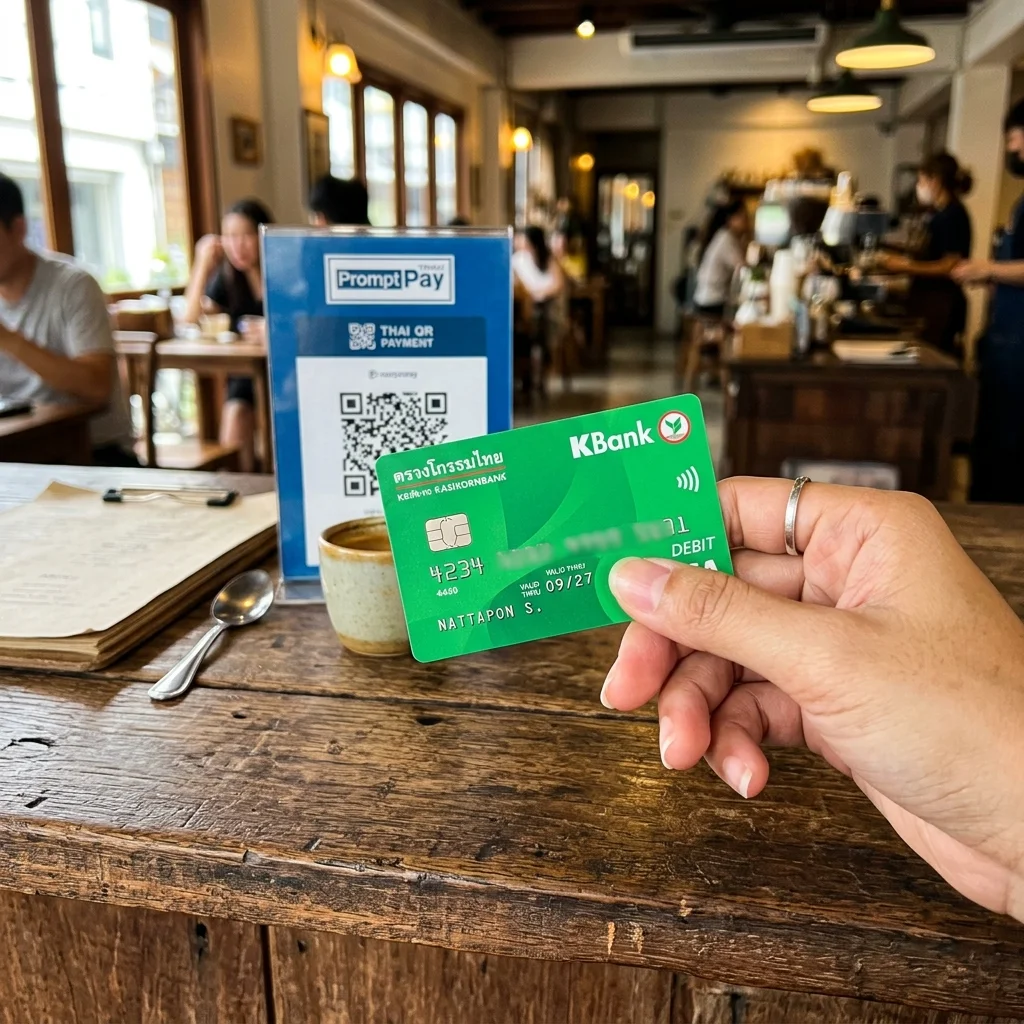
Opening a bank account in Thailand is one of the first things you should do when you arrive. Having a local debit card and mobile banking app makes daily life infinitely easier, from paying rent to scanning QR codes at street food stalls (which is how almost all local transactions are done). However, walk into any bank branch with a tourist visa and you'll likely be rejected. The rules are strict and vary between branches. Here is the step-by-step guide to opening an account successfully.
In this guide:
1. The Document Checklist: What You Need
If you have a Work Permit and a long-term lease, opening an account is simple: take your passport, work permit, lease agreement, and a small deposit (฿500) to any major bank branch.
If you don't have a work permit (e.g. you are on a tourist, student, or retirement visa), you will need: a certificate of residency (issued by your embassy or Thai immigration), a long-term lease agreement (minimum 6 months) signed by your landlord, and a letter of reference from a Thai citizen or your home bank. Some branches may also require you to purchase a local accident insurance policy (usually around ฿2,000 ฿3,000) to open the account.
2. Choosing the Right Bank: Bangkok Bank vs Kasikornbank
The two best banks for expats are Bangkok Bank and Kasikornbank (K-Bank). Bangkok Bank's head office on Silom Road is famous for being the most expat-friendly branch in the country, often opening accounts for foreigners on tourist visas with just a residency certificate.
Kasikornbank (recognizable by its bright green branding) has the best mobile app in the country. The K-Plus app is exceptionally fast, entirely in English, and allows you to make instant QR code payments at almost every shop, market stall, and taxi in Thailand.
3. Step-by-Step Branch Strategy
Do not visit small branches inside shopping malls on weekends; they are often busy and have strict rules. Instead, visit a major branch (ideally a head office or a branch in an expat area like Sukhumvit or Silom) on a weekday morning.
Be polite, dress neatly, and present your documents clearly. If the first branch rejects you, do not be discouraged, simply walk down the street to a different branch or a different bank. Branch managers have high discretion, and rules can vary between offices.
4. International Transfers: How to Fund Your Account
Once your account is open, the next challenge is getting money into it without paying exorbitant bank fees. Standard SWIFT wire transfers from your home bank are secure but slow (taking 3 to 5 business days) and involve high flat fees and poor exchange rates.
Expat parents and nomads strongly recommend using Wise (formerly TransferWise) or similar peer-to-peer transfer apps. Wise connects directly to the Thai banking system, allowing you to transfer funds instantly at the mid-market exchange rate for a minimal fee. The money arrives in your Thai account via a local transfer, meaning your Thai bank won't charge you a foreign receiving fee.
5. Credit Cards & Mortgages for Expats
Getting a credit card in Thailand is notoriously difficult for foreigners. Most banks require a valid work permit, a minimum monthly salary of ฿50,000 ฿100,000, and at least 6 months of local employment history. Alternatively, you can open a 'fixed deposit' account where the bank freezes a specific amount (e.g., ฿50,000) as collateral for your credit card limit.
Mortgages are virtually impossible for individual foreign buyers unless you go through specialized international lending programs or purchase through a corporate structure. For the vast majority of expats, buying property requires full cash payments.
Ready to rent a condo in Bangkok?
Browse verified rental listings near BTS stations to secure your long-term lease.
Find a Rental →Get Bangkok guides in your inbox
Subscribe to receive honest neighbourhood comparisons, expat tips, and hidden local gems, straight from our Bangkok team.